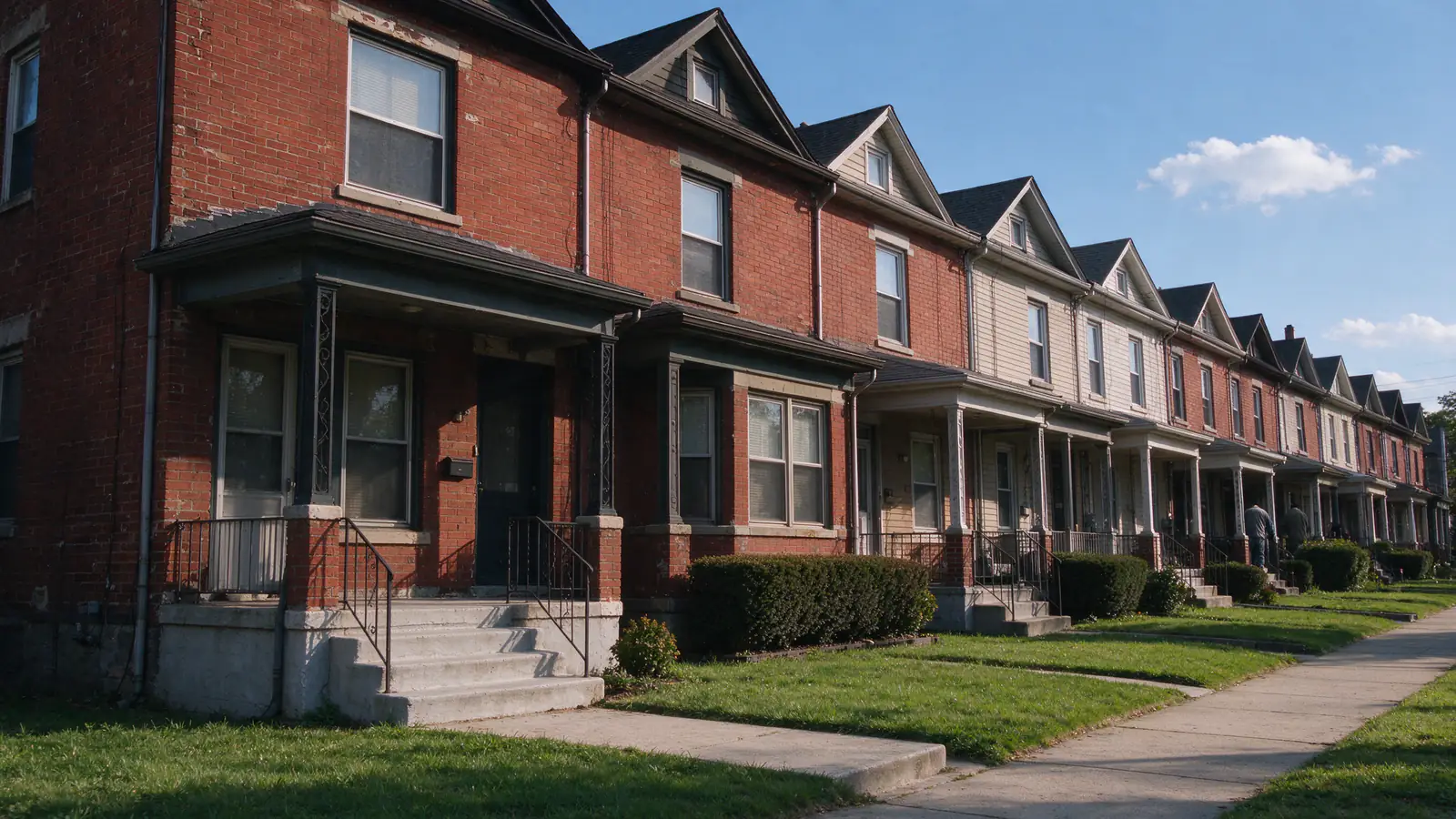
Cross the city line from West Philadelphia into Upper Darby and the brick rows look much the same, but nearly every rule behind a repipe changes. Water comes from Aqua Pennsylvania instead of the Philadelphia Water Department, the permit comes from the township instead of L&I, and the code is Pennsylvania’s statewide Uniform Construction Code rather than Philadelphia’s own.
Philadelphia Freedom Repipe plans and manages whole-house repiping, rowhouse repiping and galvanized pipe replacement for Upper Darby homes. Licensed and insured contractors carry out the work, and each township or borough’s own permit and contractor rules apply. For an owner, the biggest practical difference from the city is the service line: Aqua owns part of it and runs a program for the rest, which changes what a repipe needs to include.
What can be replaced, inside and out
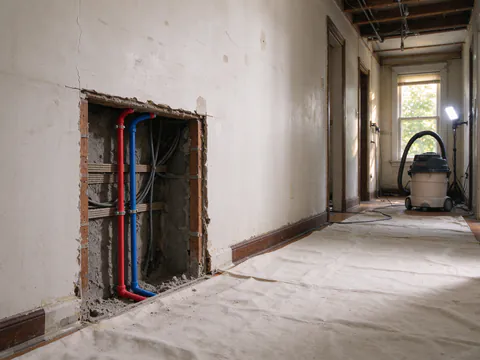
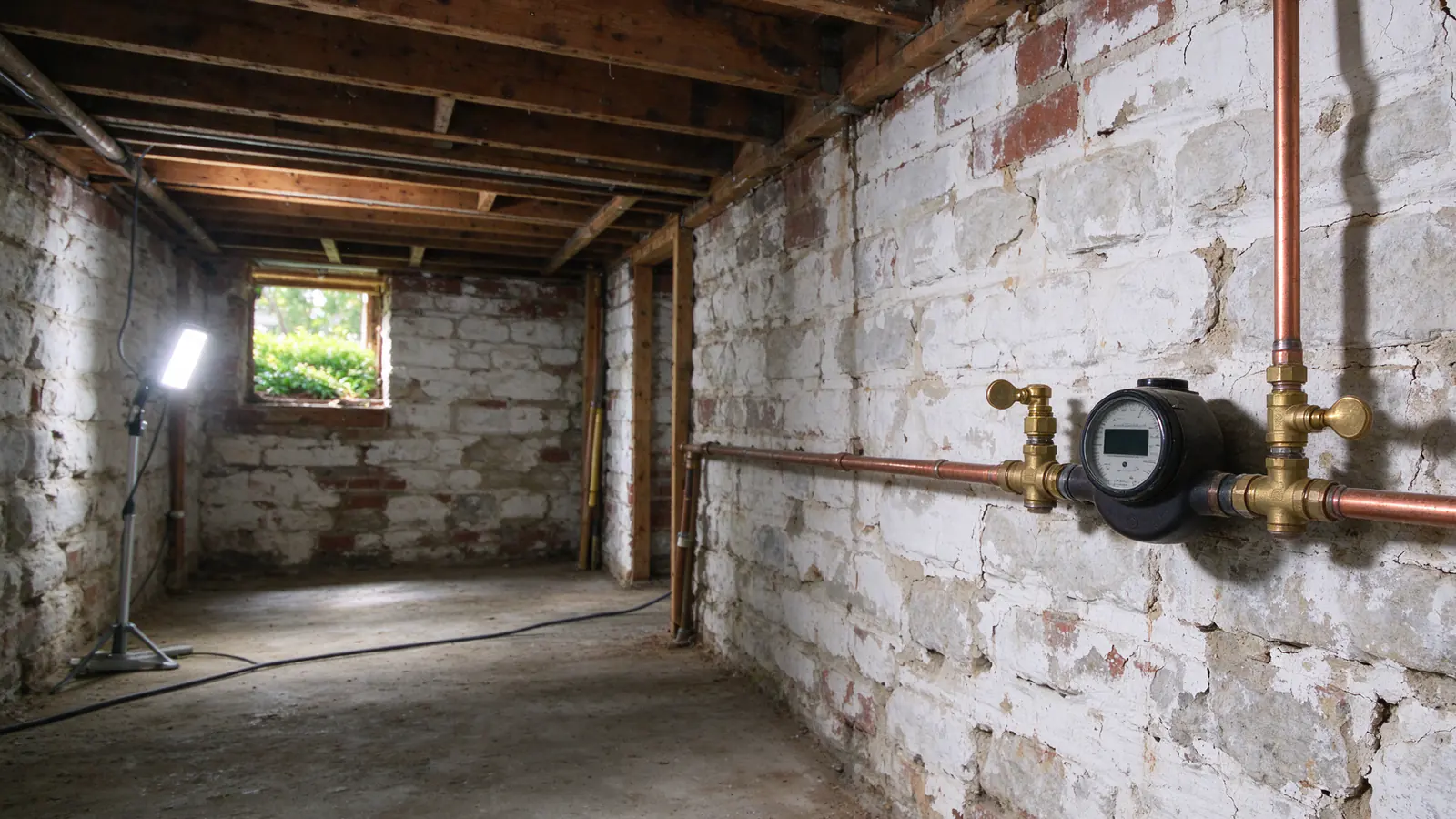
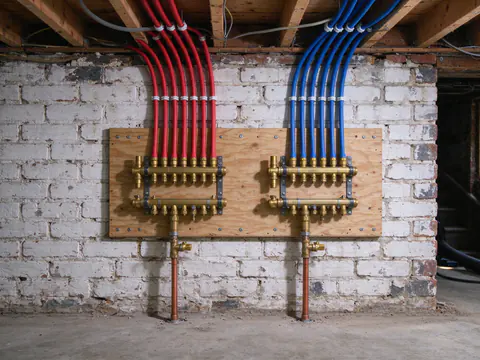
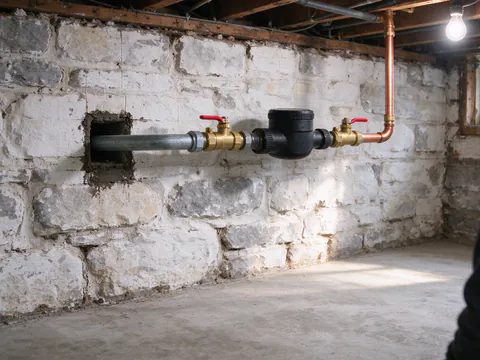
The interior supply is the core job: new pipe from the meter and main shutoff to every fixture and the water heater, either the whole house or a defined part of it. PEX repiping suits most layouts here, and copper remains an option where an owner prefers it; the PEX versus copper guide sets out the trade-offs without declaring a winner. A worn or seized main valve is often replaced at the same time, since the main water shutoff replacement is where the new system starts.
The service line is a different matter in Upper Darby. Aqua owns the section from the main to the curb stop, and the customer owns the rest into the building. Where that customer section is lead or galvanized, Aqua’s program may replace it at no direct cost, so a repipe here is normally scoped to start at the meter and leave the service line to the utility.
Steps on an Upper Darby repipe
The first visit begins wherever the line enters the house and meets the meter. The material of the service line is noted for Aqua, and the condition of the main shutoff is checked, because a valve that will not close fully makes every later step harder. Pressure is read at the lowest and highest fixtures and flow is compared with a second tap running, to separate a restricted interior from a supply problem.
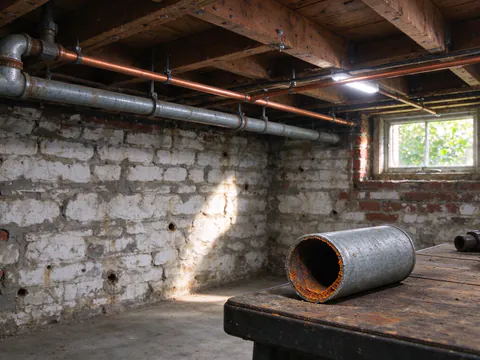
The route is then planned. In an attached house or twin, supply runs usually follow the basement ceiling and climb an interior wall, while a detached single may offer an attic or crawl path; either way, openings are marked in advance and the written scope lists each one and who closes it. The township permit is filed by an authorized contractor, new pipe is installed with the old system feeding the house where possible, and the new system is pressure-tested and flushed before walls close. Shutoffs are labeled and the township inspects. The guide to living through a repipe describes the days in between.
Aqua’s line, the owner’s line
Aqua Pennsylvania’s Customer Lead Service Line Replacement Program replaces the customer-owned portion of a line identified as lead or galvanized at no direct cost to the customer. Aqua reports nearly 2,800 customer-side replacements since 2024, and the Pennsylvania Public Utility Commission approved a settlement allowing up to 1,500 customer-side replacements a year, with a systemwide goal of more than 11,400 and all identified lead lines replaced by the end of 2034.
That changes the order of work compared with Philadelphia, where the owner owns the whole line and pays for it outside the pilot ZIPs. In Upper Darby, a repipe quote should not include the customer-side service line if Aqua’s program will handle it, and the interior tie-in at the meter is timed around Aqua’s work. Aqua decides eligibility and schedule, so an owner confirms with Aqua rather than relying on a contractor’s guess.
Repiping a house in Upper Darby?
Get an interior scope that starts at the meter, leaves Aqua's line to Aqua, and follows the township's permit rules.
Township permits and who may pull them
Upper Darby requires a plumbing permit under the statewide code before the installation or modification of water supply or distribution piping. Its plumbing permits page says permits may only be applied for, and work performed, by individuals or entities properly authorized and licensed under State law and Township regulations. That means a residential contractor with Pennsylvania Attorney General HIC registration verified with the township and a township Business Privilege License, a licensed plumbing contractor, or in limited cases the property owner.
The owner route is narrow: only an owner-occupied primary residence qualifies, not a rental or investment property. Anyone buying an older house with original pipes to fix and lease out should plan on a licensed contractor pulling the permit.
The statewide code instead of Philadelphia’s
Pennsylvania’s Uniform Construction Code adopted the 2021 International Plumbing Code in its entirety, effective January 1, 2026, and Upper Darby enforces it. Philadelphia’s local amendments, including its rule that water piping serving shops and other non-dwelling occupancies must be metallic and its EZ-permit standards, do not apply across the line. PEX, copper and CPVC all appear in the IPC’s tables of approved water distribution materials, and the township’s inspection decides whether a given installation meets them.
Rowhouses, twins and Haverford next door
Upper Darby’s housing is the most Philadelphia-like of the inner suburbs: 47.7% of its 35,306 homes are single-family attached, 33.4% were built before 1940 and 74.6% before 1960, with a median build year of 1948, by the Census Bureau’s American Community Survey. Those numbers are context. A 1948 rowhouse could have galvanized steel, early copper or pipe replaced in a later remodel, so the guide to identifying your water pipes is a better starting point than the build year.
Neighboring Haverford Township is a separate permit office with similar utility and code rules: Aqua Pennsylvania serves it, it licenses master plumbers itself, sets plumbing permit fees by the cost of the work, and requires rough and final inspections for all plumbing installations. Its housing differs, with 68.2% detached singles and 31.9% built before 1940, so most Haverford jobs look more like single-house repipes than rowhouse work.
Why the order changes outside the city
Outside the city, the utility question comes before the pipe question: in Aqua territory the service line may be someone else’s job, and quoting it would double-count work. Township licensing follows, because a permit filed by the wrong party stalls everything after it. A repipe also cannot raise a weak supply at the street, which is why the low water pressure guide puts a gauge reading ahead of any pipe decision. The repiping cost guide shows which drivers move a price within the range.