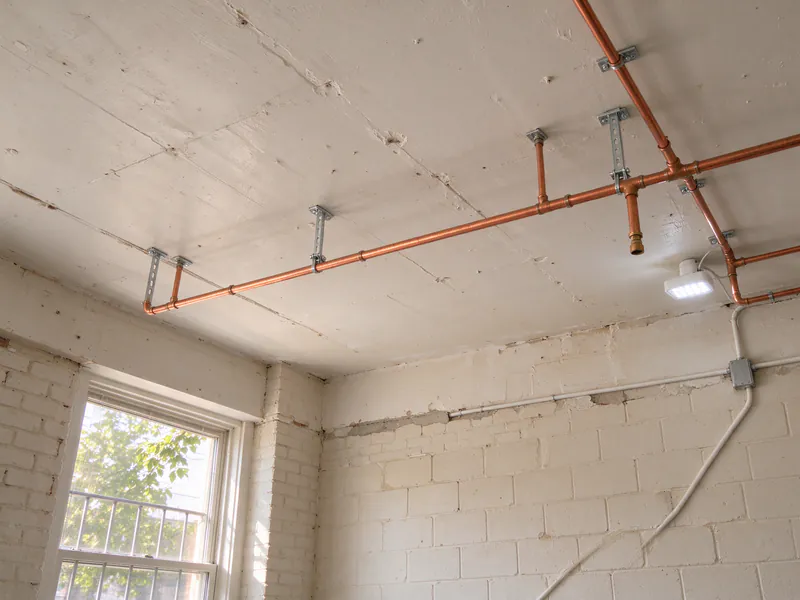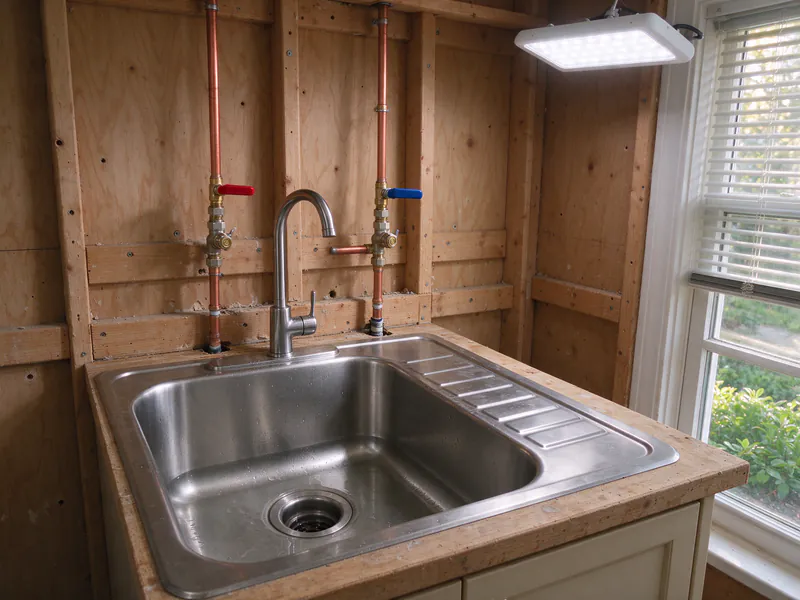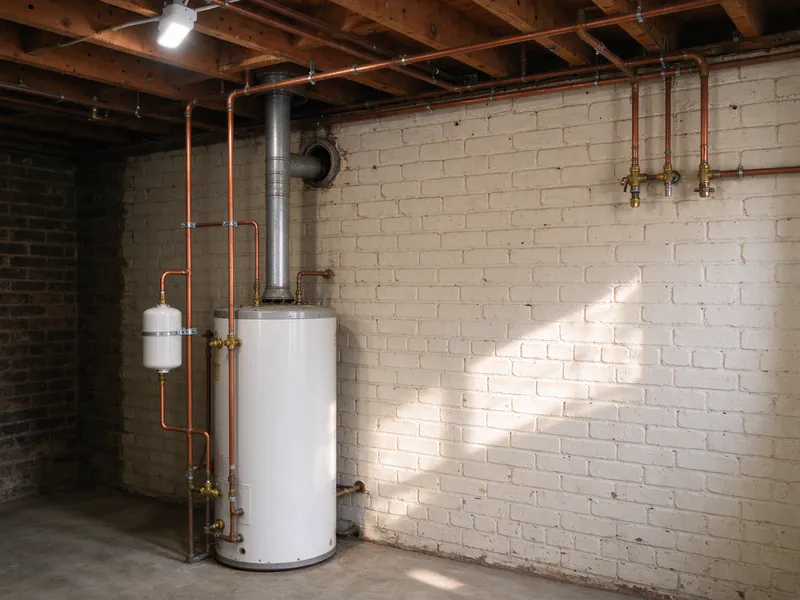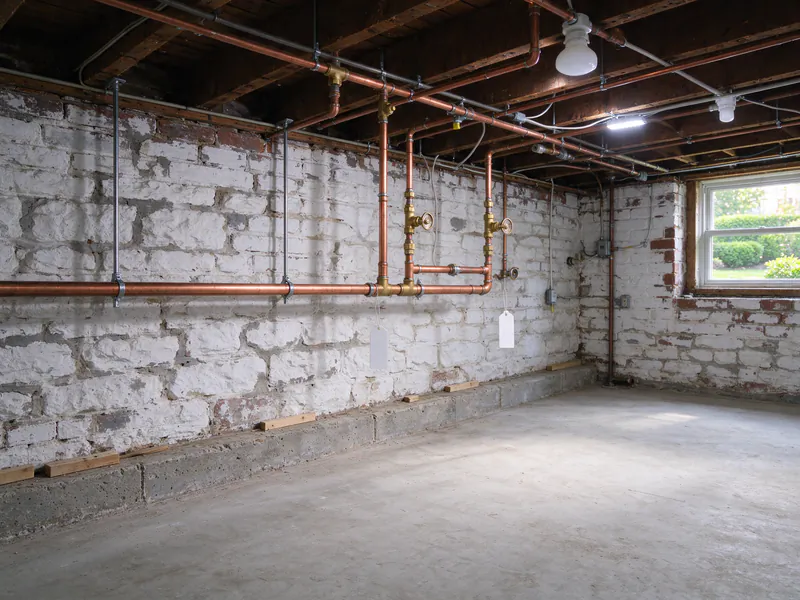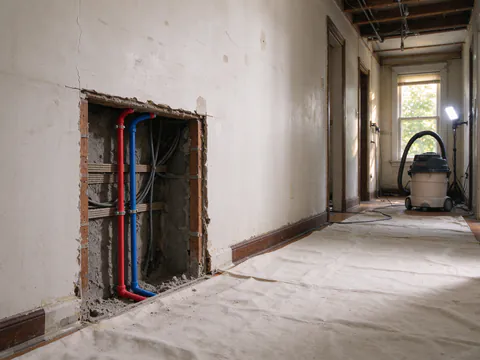
Philadelphia Freedom Repipe repipes the water supply in small commercial and mixed-use buildings across Philadelphia and nearby Delaware, Montgomery and Bucks County suburbs: corner stores with apartments above, storefront offices, small restaurants and converted rowhouses with a business on the ground floor. The job is the same as in a house, old supply pipe out and new pipe in from the main shutoff to each fixture, with two differences that change everything else. The pipe has to be metallic, and the water-off windows have to fit around a business.
Licensed and insured contractors carry out the work; inside the city, a Philadelphia licensed master plumber oversees the job and pulls the L&I permit. Where a project needs engineered drawings or a design professional, the scope says so and names who provides them.
Why commercial space needs metallic pipe
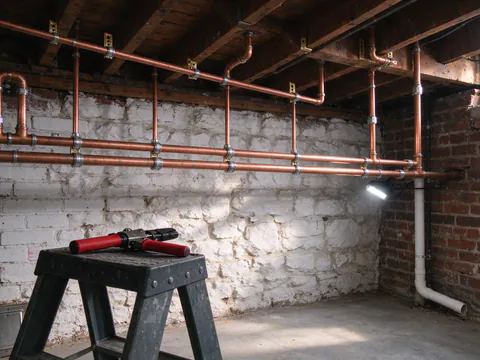
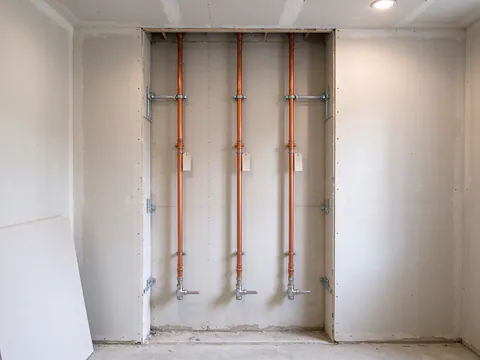
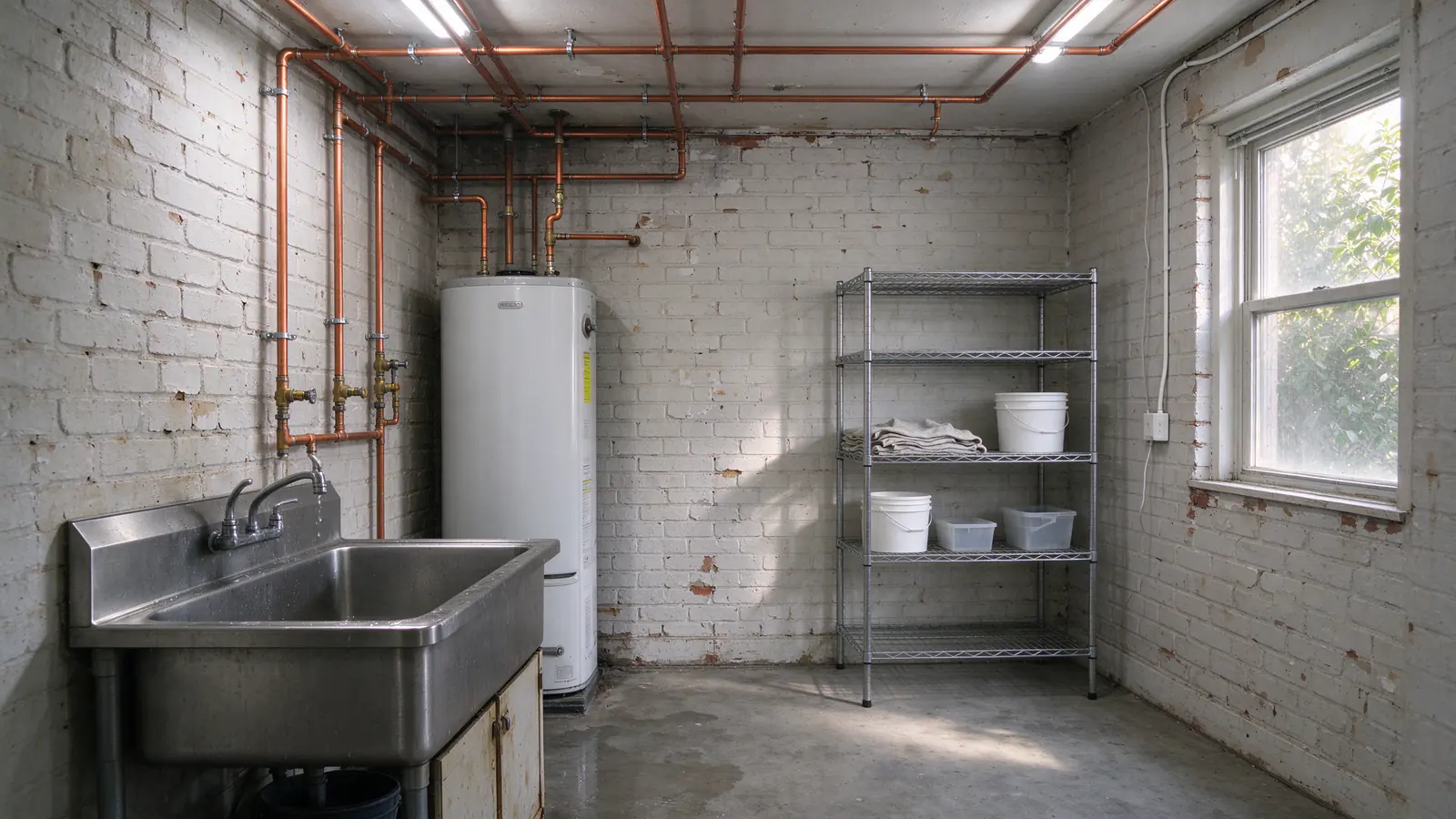
Philadelphia’s plumbing code, amended effective April 1, 2024, draws a line by occupancy. Section P-605.4 says that any water supply piping supplying or located within occupancies other than one- and two-family dwellings and apartments shall be metallic piping, and P-605.3 applies the same rule to water distribution pipe. A store, office, restaurant or any other non-residential use falls on the metallic side of that line. In practice that means copper for most small commercial repipes.
L&I’s own approved scopes show how the rule reads on a permit. Commercial and mixed-use permits state that all piping for conveyance and supply for the commercial space shall be metallic, while one- and two-family scopes in the same records name PEX. The difference is the reason a corner property costs more to repipe than the rowhouse next to it with the same fixture count. The guide to whether PEX is allowed in Philadelphia covers the rule in full, and the copper repiping page covers the material.
Other rules follow from the same occupancy line. Flexible water connectors are allowed only in one- and two-family dwellings and apartments, so a commercial sink or equipment connection is made with rigid metallic pipe or a listed fitting instead. Where an occupied floor sits more than 75 feet above fire-access level, metallic pipe is required throughout under P-605.4.1. A pending update to the Philadelphia code, Bill No. 250645, would also require pipe 3 inches and larger to be ductile iron to the meter; its enactment had not been verified when this page was written, so check with L&I before planning a large service.
Corner stores with apartments above
The mixed-use corner property is the commercial building Philadelphia has most of: a store or bar on the ground floor and one or two apartments above, often in a building that started as a rowhouse. Its plumbing is usually a single main from the meter feeding both uses, with the apartment’s riser running up through the store’s ceiling or a back room.
That layout puts the material rule at its sharpest. The store side has to be metallic. The apartment side is a dwelling, where nonmetallic pipe is allowed, but any pipe serving or running through the store sits within the commercial occupancy. A riser that crosses the store ceiling to reach the apartment is therefore planned in metal, and the apartment’s own branches may be PEX or copper. Because the rule turns on where each pipe runs, L&I should confirm the apartment side before materials are ordered, and the quote should say which runs are metallic.
The other gain from repiping a corner building is separation. Labeled shutoffs that isolate the store from the apartments let a leak upstairs be stopped without closing the business, and the reverse. The apartment building repiping page covers buildings with more than one apartment above.
Scheduling around the business
A house repipe is scheduled around the people living there. A commercial repipe is scheduled around opening hours, deliveries and the residents upstairs. The usual approach does everything that can be done with the water on during the day, and moves cutovers and the noisiest cutting to closed hours: early mornings, evenings, or the days the business does not open.
Business water-off windows go in writing: which fixtures lose water, when, and for how long. A restaurant’s prep sinks and restroom have to be back before it opens; a retail store may only need its restroom. Where stock or equipment sits under the work, it is covered or moved before the ceiling opens. Press-connect copper fittings help in occupied commercial space because they need no torch near stock and ceilings, and the Philadelphia code allows them above ground. Inspections still run on the City’s schedule, so the plan has to leave room for them before ceilings close.
After-hours work changes the price, and the quote should say which hours are planned. Nothing about the schedule is assumed; it is set on the walk-through with whoever runs the business.
Permit and fees in the other-occupancy column
Replacing water piping in Philadelphia needs an L&I permit, with a licensed master plumber overseeing the work. L&I’s fee summary puts commercial work in the other-occupancies column:
| L&I permit line | One- and two-family | Other occupancies |
|---|---|---|
| Alterations to existing buildings | $50 for the first 7 fixtures, $22.50 each after | $189 for the first 7 fixtures, $22.50 each after |
| Repair or replacement of water lines, waste lines, stacks | $37 | $126 each |
| Water heater | $31 | $37 per heater |
A $100 filing fee, applied toward the final fee, plus a $3 city surcharge, a $4.50 state surcharge and $4 per plan for record retention are added. L&I’s EZ permit, which needs no plans, covers alterations in buildings with four or fewer dwellings up to four stories; whether a given commercial or mixed-use repipe fits it, or needs plans, is L&I’s call. The Philadelphia repipe permit guide and the guide to who can do plumbing work in Philadelphia cover the filing and the license.
In the suburbs, townships enforce the Pennsylvania Uniform Construction Code, which adopted the 2021 International Plumbing Code effective January 1, 2026, and each township or borough’s own permit and contractor rules apply. Norristown, for one, separates a residential contractor license for single-family dwellings and duplexes from a master plumber license for non-residential work.
What moves a commercial repipe price
There is no reliable published range for commercial repiping. The drivers are clear:
| Driver | Why it moves the price |
|---|---|
| Metallic pipe throughout the commercial space | Copper costs more than PEX as material and takes more fittings |
| Fixture and equipment count | Each sink, restroom, prep station and equipment connection is a branch; it also sets the permit fee |
| Apartments above | A separate riser, separate shutoffs and residents to schedule around |
| Ceiling and wall finishes | Drop ceilings open easily; plaster, tile and finished storefronts do not |
| Working hours | Closed-hours work and short windows add days |
| The main shutoff and service line | A seized main shutoff or a lead service line adds scope at the start |
Want a scope that fits around your hours?
A walk-through of the space and anything above it ends with a written scope, the pipe material and the water-off windows.
Related resources
- PEX vs copper for a repipe, and why the choice is made for you in commercial space
- Copper pinhole leaks and their several causes
- Whole-house repiping for the residential side of a building
- Repiping cost in Philadelphia, with the residential ranges and fees